Dental implants are a long-term investment, and like most long-term investments, the decisions you make at the beginning have consequences that are difficult and expensive to undo.
When implants are placed well — by the right clinician, using the right system, with proper planning and diagnostics — they can last decades. When they are not, the path back is longer and more costly than most patients anticipate before it happens to them.
SEE ALSO: Can dental implants last a lifetime?
What can go wrong with a failed implant
Implant failure is not simply a case of placing a new implant and starting over. By the time a failing implant is removed, the surrounding bone has typically been affected. Bone loss around a failed implant can be significant, and before a new implant can be placed, that bone often needs to be rebuilt through grafting. This adds time, cost, and an additional surgical procedure to a process that was already demanding enough the first time around.
At SameDay Dental Clinic, we regularly receive patients who come to us after failed implant treatment elsewhere — and in most cases, we can help. Every failed implant case is different, but our team has the training and experience to navigate complex revisions. That said, the nerve position, sinus proximity, or degree of bone loss all add layers of complexity, and the treatment takes longer and costs more. Getting it right the first time remains the better path.
Why the first attempt is your best clinical opportunity
Bone volume is a finite resource. When a tooth is lost, the bone that once supported it begins to resorb. The longer the gap between tooth loss and implant placement, the more bone is typically lost. An implant placed promptly, into adequate bone, with sound surgical technique, has the best possible conditions for osseointegration — the process by which the implant fuses with the bone.
A second attempt starts with less bone and a more demanding site — which is why it takes the right team to get it right.
What drives implant failure
Not all implant failures are the result of poor placement — some are related to patient health, bone quality, or how well the implant is maintained afterward. But a significant proportion of failures are preventable, and they tend to trace back to a few recurring factors: inadequate pre-surgical assessment, insufficient imaging, an implant system not well-suited to the patient's anatomy, or a clinician without the experience to anticipate complications before they occur.
Complex cases — patients with low bone volume, previous implant failures, or anatomical challenges — demand more from the clinician, not less. Placing implants in a patient with severe bone loss requires specialist training and, in many cases, alternative implant solutions such as zygomatic or pterygoid implants rather than standard ones. Attempting a complex case with a standard approach is one of the more common routes to failure.
The financial reality of revision surgery
Revision surgery typically costs more than the original procedure. You are paying for the removal of the failed implant, the treatment of any infection or bone loss around the site, bone grafting where needed, a healing period, and then the implant placement again — along with a new crown or restoration. In some cases, the total cost of a failed implant and its revision exceeds twice the cost of the original treatment.
The questions worth asking before you commit — who is placing the implant, what system they are using, whether the treatment is digitally planned, and what their protocol is if something goes wrong — are worth thinking through carefully before you decide where to go.
What to look for in a first attempt
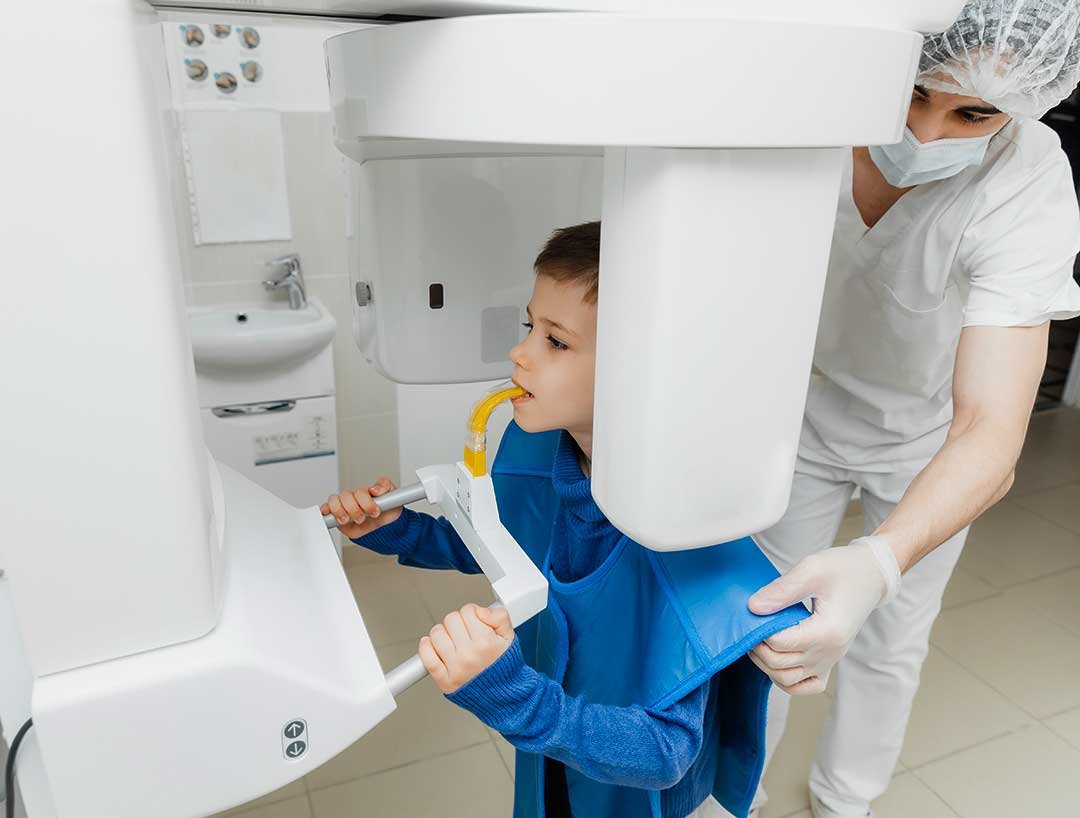
A thorough consultation should include 3D imaging, a full assessment of bone volume and gum health, and a clear treatment plan before any surgery is discussed. The clinician placing the implant should have documented experience with cases of similar complexity to yours, and the clinic should be transparent about what happens in the event of failure.
At SameDay, all implant cases are assessed with cone beam CT imaging and planned digitally before surgery. Our implant team has extensive experience across the full spectrum of cases, from straightforward single-tooth replacements to complex full-arch rehabilitations in patients who have been told implants are not possible for them. Every implant we place comes with a written guarantee.
If you are considering implants and want a second opinion before committing elsewhere, we offer a complimentary consultation that includes a free X-ray and a written treatment plan — with no obligation to proceed. Book online, call or WhatsApp +971 4 315 8300.
Our SameDay Dental Implants Specialists
Dr. Costa Nicolopoulos
BDS cum laude, FFD (SA) MFOS
Specialist Oral & Maxillofacial Surgeon
Specialist Oral & Maxillofacial Surgeon
Dr. Petros Yuvanoglu
DMD summa cum laude
Cert. Prosthodontics (Tufts, USA)
Adjunct Faculty, Tufts University School of Dental Medicine
Cert. Prosthodontics (Tufts, USA)
Adjunct Faculty, Tufts University School of Dental Medicine
Dr. Ramy Tamzouk
DDS, MSD
Specialist Prosthodontist
Specialist Prosthodontist
Dr. Indraniil Roy
BDS, MDS, MSc (Germany)
Specialist Oral & Maxillofacial Surgeon
Specialist Oral & Maxillofacial Surgeon
References
- Solderer et al. (2019). Removal of failed dental implants revisited: Questions and answers. Clinical and Experimental Dental Research. pmc.ncbi.nlm.nih.gov
- Post extractive implant: evaluation of the critical aspects. PMC. pmc.ncbi.nlm.nih.gov
- Factors Affecting Implant Failure and Marginal Bone Loss of Implants Placed by Post-Graduate Students. PMC. pmc.ncbi.nlm.nih.gov